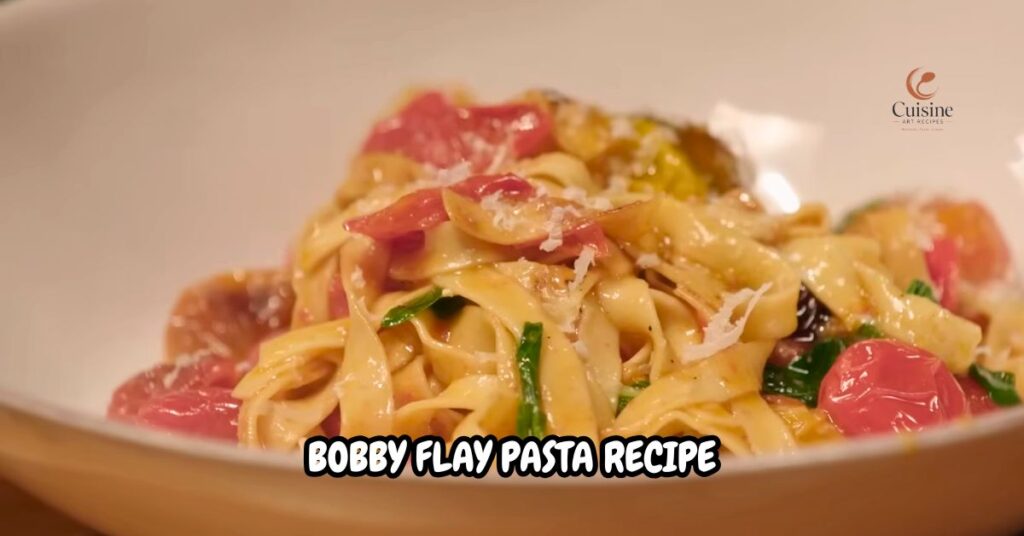
Bobby Flay makes his pasta dough in a food processor instead of by hand. He uses this exact method on Beat Bobby Flay, where every dish faces a tight time limit.
Most homemade pasta recipes still call for a flour well and a 10 to 15 minute hand knead. That method works, but it slows down a whole meal on a weeknight.
Flay learned this dough method from chef Marc Vetri, a well-known Italian chef. He also serves housemade pasta at Amalfi by Bobby Flay, his Las Vegas restaurant known for fresh Mediterranean fish.
I call my version the Bobby Flay Pasta Recipe, a homemade take on his fast fettuccine. Testing at home confirmed the food processor method holds up every time.
Do You Really Need to Knead Pasta Dough by Hand?
People ask this more than anything else. The food processor blade does the hard mixing work for you. It cuts the eggs into the flour fast, and that’s most of what kneading does anyway.
A short hand knead still matters. I press the dough for about a minute after it comes out of the bowl. That last bit of pressure smooths the surface and closes any dry cracks.
10 or 15 minutes of hand kneading works for dry, stiff dough made without a machine. A food processor already builds that same gluten structure through fast blade action, so extra kneading adds little.
Should You Salt the Dough or Wait?
Plenty of pasta recipes call for a pinch of salt right in the dough. Bobby Flay skips it here and seasons later, once the pasta hits the sauce and hot pasta water.
Salted pasta water already carries plenty of seasoning into each strand. Salt inside raw dough gets buried once the noodle cooks. The bigger flavor hit comes from the sauce and the cooking water, not the dough itself.
My own tests back this up. A batch with dough salt tasted about the same as one without, once both sat in a well-salted sauce. I stick with this method now and season everything after the dough stage.
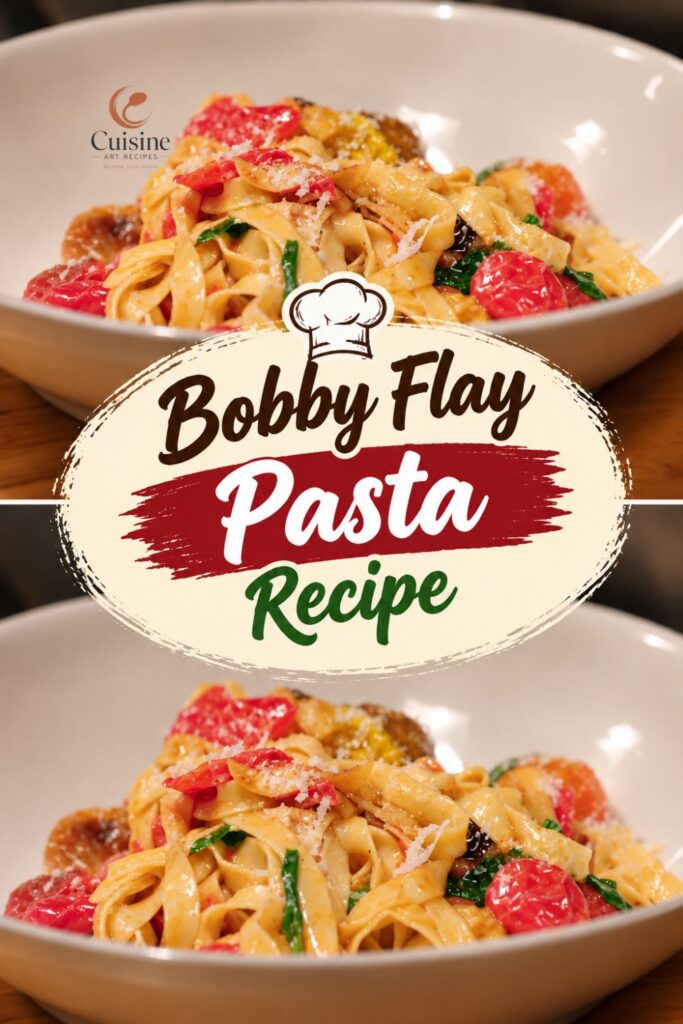
Ingredients for Bobby Flay Pasta Recipe
2 cups (about 9 ounces) all-purpose flour: This is the entire backbone of the dough, absorbing the eggs as the processor runs. I reach for King Arthur, since the protein content stays steady from bag to bag. Store it in a sealed container so it doesn’t pull in moisture.
3 large eggs: These build most of the dough’s moisture and give the noodles their pale yellow color. I use Vital Farms, since the yolks run deep orange and enrich the dough more than average grocery eggs.
Let them sit out for 15 minutes before using; cold eggs slow down how fast the dough comes together.
1 large egg yolk: The extra yolk adds richness and helps the noodles turn tender instead of tough once rolled thin. Save the leftover egg white for a quick omelet the next morning, rather than tossing it out.
2 tablespoons semolina flour, for dusting: Semolina keeps the cut noodles separate on the tray. The coarse grains sit on the surface instead of blending into the dough.
Cornmeal works in a pinch, though the noodles pick up a slightly gritty edge from the bigger grains.
3 tablespoons unsalted butter: Butter forms the base of the pan sauce and coats every strand once the pasta goes in. I like Kerrygold, since the higher fat content browns a little faster and deepens the flavor.
Swap in olive oil for a dairy-free version. The sauce turns thinner and loses some of its coating richness.
1 pint cherry tomatoes: These blister in the hot butter and burst into a loose, juicy sauce, no canned tomatoes needed. I buy them at the farmers market from June through September, when they’re at their sweetest.
In winter, canned San Marzano tomatoes work well in their place. Crush them by hand first; the sauce turns smoother and less chunky.
2 tablespoons extra-virgin olive oil: A finishing drizzle rounds out the butter sauce and adds a slight peppery bite at the very end. I keep a bottle of California Olive Ranch on hand for exactly this kind of last-minute use.
⅓ cup torn fresh basil leaves: Basil wilts fast in the hot butter, releasing its aroma straight into the sauce instead of sitting on top as a garnish. Tear the leaves by hand right before cooking; a knife bruises the edges and turns them dark faster.
¾ cup grated Parmigiano-Reggiano, plus more for serving: The cheese melts into the sauce and thickens it slightly, adding most of the dish’s salt. It also ties the butter and pasta water together into one glossy coating.
My local Italian market ran out of the imported wedge one week. A domestic Parmesan worked fine in its place. Pecorino Romano is another option, for a sharper, saltier bite.
Kosher salt and black pepper, to taste: These carry the only seasoning in the whole dish, since the dough itself has none. Salt the pasta water heavily, until it tastes close to seawater, so the noodles pick up flavor as they cook.
¼ cup reserved pasta water: Starch from the boiling water helps the butter and cheese cling to the noodles. Without it, the sauce pools at the bottom of the pan instead of coating anything. Scoop it out right before draining, since it disappears down the sink once the pot empties.
Kitchen Equipment
- Food processor: mixes dough fast.
- Stand mixer with pasta roller attachment: rolls dough thin and even.
- Bench scraper: divides dough cleanly.
- Large stockpot: boils noodles with room.
- Wide sauté pan: builds the sauce.
- Plastic wrap: covers dough during rest.
- Rimmed baking sheet: holds cut noodles.
Bobby Flay Pasta Recipe: Step-by-Step Instructions
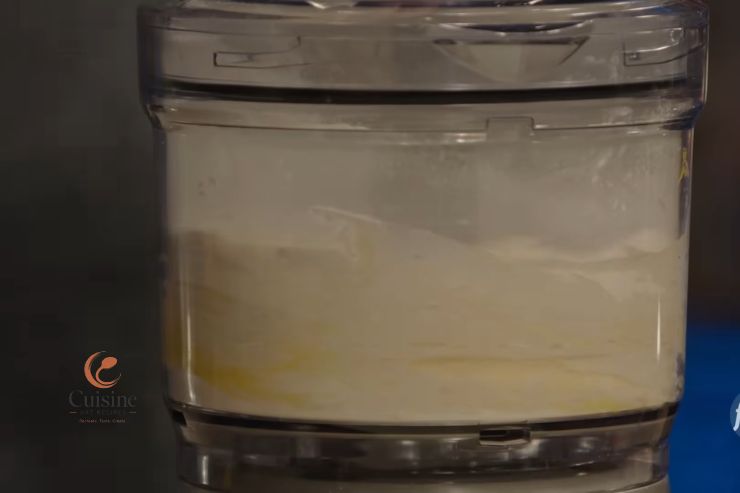
1. Make the Dough: Add the flour, whole eggs, and egg yolk to a food processor fitted with the metal blade. Run the machine until the mixture pulls together into a shaggy ball, about 45 seconds. Don’t add salt at this stage.
The dough should look like small, damp crumbs, not one solid mass, just before it comes together.
2. Knead and Rest: Turn the dough onto a lightly floured board. Knead it by hand for about a minute, just until smooth. Shape it into a flat disc, wrap it in plastic, and let it rest 18 minutes.
The dough should feel smooth and slightly tacky, not sticky. A dough that sticks to your fingers needs a light dusting of flour worked in.
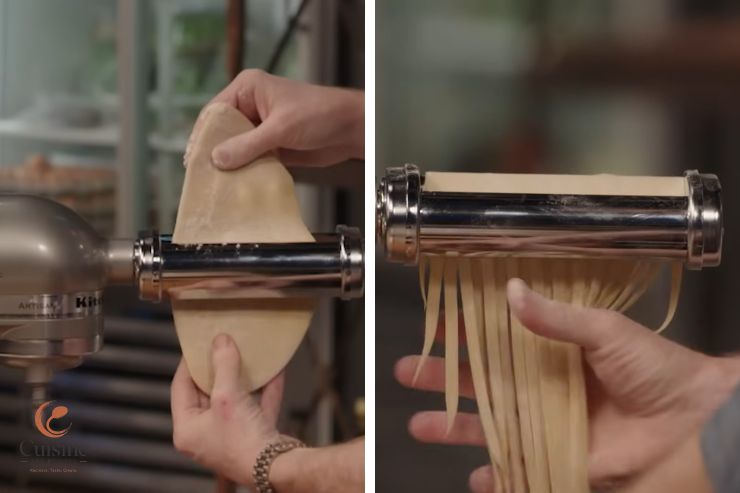
3. Roll It Thin: Cut the rested dough into four pieces. Flatten one piece and feed it through a pasta roller, starting on the widest setting. Move down a setting each pass until the sheet turns thin enough to see your hand through it.
Skip a setting and the sheet tears along the edges. Go back one notch and run it through again to smooth things out.
4. Cut the Fettuccine: Switch to the fettuccine cutter attachment and run each sheet through once. Toss the cut noodles with a light coating of semolina flour right away, so they don’t clump into one mass.
Fresh-cut fettuccine should feel silky, not tacky, once it’s dusted well with semolina.
5. Rest the Cut Noodles: Loosely coil the cut noodles into small nests on a semolina-dusted sheet pan. This keeps the strands from drying out or sticking while the water comes to a boil.
6. Cook the Pasta: Drop the fresh fettuccine into a large pot of well-salted, boiling water. Fresh pasta cooks fast, usually 60 to 90 seconds once it floats to the top. Drain it, saving a small cup of the starchy water.
Fresh noodles rise to the surface once they’re nearly done. Dried pasta usually sinks the whole cook time.
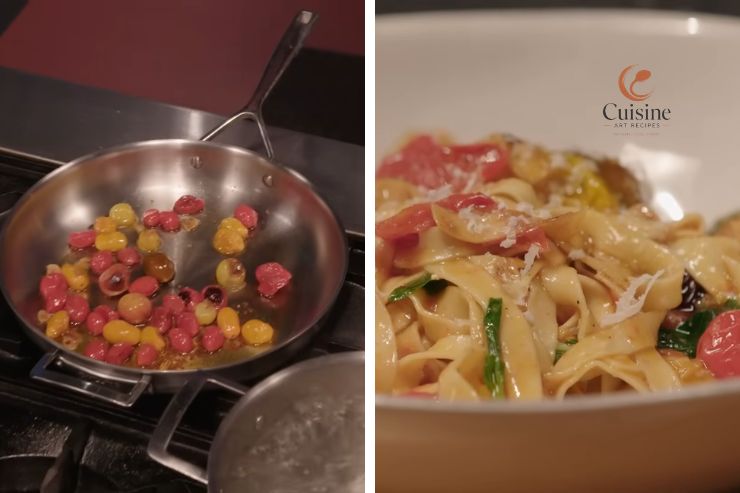
7. Build the Sauce: Melt the butter in a wide pan over medium heat. Add the cherry tomatoes and cook them until the skins blister and split, about 4 minutes. Stir in the torn basil. The basil should wilt and smell sharp and sweet within seconds of hitting the hot butter.
8. Finish and Serve: Add the drained pasta straight into the pan with a splash of the reserved pasta water. Toss everything together, then fold in the Parmigiano-Reggiano off the heat. Season with salt and pepper.
The sauce should look glossy and cling to each strand, not pool at the bottom of the pan.
Chef Special Tips for Bobby Flay Pasta
1. Dough Feels Dry and Won’t Ball Up: Add water a scant teaspoon at a time; too much at once turns the dough sticky instead of smooth.
2. Noodles Stick Together Right After Cutting: Toss with extra semolina immediately, before they touch each other on the tray.
3. Sauce Breaks and Looks Greasy: Whisk in a splash more starchy pasta water off the heat to bring it back together.
4. Pasta Machine Jams Mid-Roll: Dust both sides of the sheet again and back the dial up one notch before trying again.
5. Cheese Clumps Instead of Melting In: Pull the pan off direct heat first, then fold in the Parmigiano-Reggiano slowly.
How I Customize This Bobby Flay Pasta Recipe
Lemon Ricotta Swirl: Stir a spoonful of ricotta and a little lemon zest into the finished bowl. It turns the sauce creamier and brighter, and I serve this version on warmer evenings in early summer.
Spicy Calabrian Kick: Add a teaspoon of Calabrian chili paste to the butter before the tomatoes go in. The heat builds slowly, and my wife asks for this version most weekends.
Garlic Shrimp Fettuccine: Sauté peeled shrimp in the butter first, then set them aside before starting the tomatoes. Fold the shrimp back in at the end for a heartier, dinner-party version.
Squid Ink Noodles: Blend a tablespoon of squid ink into the dough in the food processor, a trick Bobby Flay uses often. The dough turns jet black, with a briny edge that pairs well with shellfish.
Brown Butter and Sage: Skip the tomatoes and basil, and brown the butter with a handful of sage leaves instead. This version leans nutty and rich, good for cooler fall nights.
What I Serve With Bobby Flay Pasta Recipe
A simple green salad with a sharp vinaigrette cuts through the butter and cheese nicely. Something acidic works best here, since the pasta itself carries so much richness. A squeeze of lemon on the greens keeps it light.
Garlic bread or a plain, crusty loaf works for soaking up extra sauce at the bottom of the bowl. I keep a baguette on hand most weeks, just in case. A loaf from my neighborhood bakery works best, since the crust stays sturdy enough to scoop sauce.
For a full spread, I start with the salad and set out warm bread. The pasta comes out last, straight from the pan while the butter still looks glossy. It smells like butter and basil right away.
A chilled glass of Papaya Juice pairs well without competing with the tomatoes. Chicken dish or white fish also rounds out the plate for a bigger appetite. Sparkling water with a lime wedge works too, for a lighter pour.
How to Store Dough and Cooked Pasta
Cooked pasta keeps for 3 days in the refrigerator, sealed in an airtight container. The noodles soak up whatever sauce is left, so they turn a bit softer by day two. I use a shallow container, not a deep one, so the noodles don’t clump together.
Reheat it gently in a skillet with a small splash of water or extra butter. The microwave works in a pinch, though the noodles turn slightly chewy around the edges. Cold pasta from the fridge tastes flatter, so a quick reheat matters.
Raw dough keeps up to 2 days in the fridge, wrapped tightly in plastic. Freeze it for longer storage; thaw it overnight in the fridge before rolling. This dough freezes better than most, since the egg yolk keeps it from turning brittle.
Cut, uncooked noodles dry out fast on the counter. I freeze mine in small nests on a tray, then bag them once solid. This keeps them from turning into one frozen block.
Creative Ways to Use Leftover Pasta
Cold leftover pasta turns into a quick frittata within 2 days of the first cook. Whisk a few eggs, stir in the cold noodles, and cook it in a nonstick pan like a flat omelet. The noodles crisp slightly at the edges, adding good texture.
Leftovers also work cold, tossed with olive oil and lemon. It turns into a fast pasta salad for lunch the next day.
Stick to leftovers from the first 2 days for either idea. Past that, the noodles get too soft to hold their shape. A quick reheat in a hot pan works better than the microwave for this leftover trick too.
Frequently Asked Questions
1. How spicy is this dish, and can I turn up the heat?
It isn’t spicy at all as written. Add a pinch of red pepper flakes to the butter, or stir in Calabrian chili paste for more heat. Start small and taste as you go.
2. Can I use gluten-free flour for the dough?
A 1:1 gluten-free baking blend works, though the dough turns more fragile and tears easier during rolling. Handle it gently and roll it a little thicker than usual. The flavor stays close to the original version.
3. What’s the best way to keep cut noodles from sticking before cooking?
Toss them right away with a light coating of semolina flour. Then coil them loosely into small nests on a tray. A humid kitchen usually needs more flour than a dry one.
4. Why did my dough turn out too sticky or too dry?
Humidity changes things every time you make it. Sticky dough needs a light dusting of flour; dry dough needs a few drops of water.
5. Can dried pasta work with this sauce instead of fresh?
Dried pasta works fine in a pinch. It needs a longer boil, around 9 to 11 minutes depending on the shape. Taste a strand near the end to check doneness.
6. What’s the most common mistake people make with this dough?
Over-flouring the counter is the biggest one. Too much extra flour dries out the dough and makes the noodles tough once cooked.
Bobby Flay Pasta Recipe
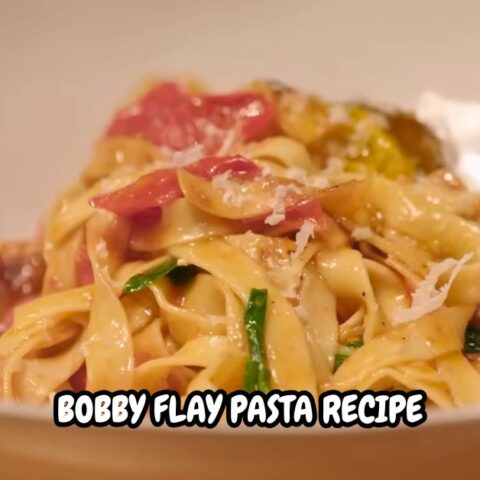
Bobby Flay Pasta Recipe skips hand-kneading with a food processor dough, rolled thin and tossed in a quick butter-tomato sauce
Ingredients
- 2 cups (about 9 ounces) all-purpose flour
- 3 large eggs
- 1 large egg yolk
- 2 tablespoons semolina flour, for dusting
- 3 tablespoons unsalted butter
- 1 pint cherry tomatoes
- 2 tablespoons extra-virgin olive oil
- ⅓ cup torn fresh basil leaves
- ¾ cup grated Parmigiano-Reggiano, plus more for serving
- Kosher salt and black pepper, to taste
- ¼ cup reserved pasta water
Instructions
- Add the flour, whole eggs, and egg yolk to a food processor fitted with the metal blade. Run the machine until the mixture pulls together into a shaggy ball, about 45 seconds. Don’t add salt at this stage. The dough should look like small, damp crumbs, not one solid mass, just before it comes together.
- Turn the dough onto a lightly floured board. Knead it by hand for about a minute, just until smooth. Shape it into a flat disc, wrap it in plastic, and let it rest 18 minutes.
The dough should feel smooth and slightly tacky, not sticky. A dough that sticks to your fingers needs a light dusting of flour worked in. - Cut the rested dough into four pieces. Flatten one piece and feed it through a pasta roller, starting on the widest setting. Move down a setting each pass until the sheet turns thin enough to see your hand through it.
Skip a setting and the sheet tears along the edges. Go back one notch and run it through again to smooth things out. - Switch to the fettuccine cutter attachment and run each sheet through once. Toss the cut noodles with a light coating of semolina flour right away, so they don’t clump into one mass. Fresh-cut fettuccine should feel silky, not tacky, once it’s dusted well with semolina.
- Loosely coil the cut noodles into small nests on a semolina-dusted sheet pan. This keeps the strands from drying out or sticking while the water comes to a boil.
- Drop the fresh fettuccine into a large pot of well-salted, boiling water. Fresh pasta cooks fast, usually 60 to 90 seconds once it floats to the top. Drain it, saving a small cup of the starchy water.
Fresh noodles rise to the surface once they’re nearly done. Dried pasta usually sinks the whole cook time. - Melt the butter in a wide pan over medium heat. Add the cherry tomatoes and cook them until the skins blister and split, about 4 minutes. Stir in the torn basil. The basil should wilt and smell sharp and sweet within seconds of hitting the hot butter.
- Add the drained pasta straight into the pan with a splash of the reserved pasta water. Toss everything together, then fold in the Parmigiano-Reggiano off the heat. Season with salt and pepper.
The sauce should look glossy and cling to each strand, not pool at the bottom of the pan.
Notes
This dough contains no salt by design; the pasta water and finished sauce carry all the seasoning. Fresh fettuccine cooks in about a minute, so have your sauce ready before the pot boils.
Nutrition Information:
Yield: 4 Serving Size: 1Amount Per Serving: Calories: 540
This Bobby Flay Pasta Recipe comes together fast. It’s the same fast method Flay uses on Beat Bobby Flay, and it actually works at home.
Perfect for weeknights when you still want fresh pasta on the table.