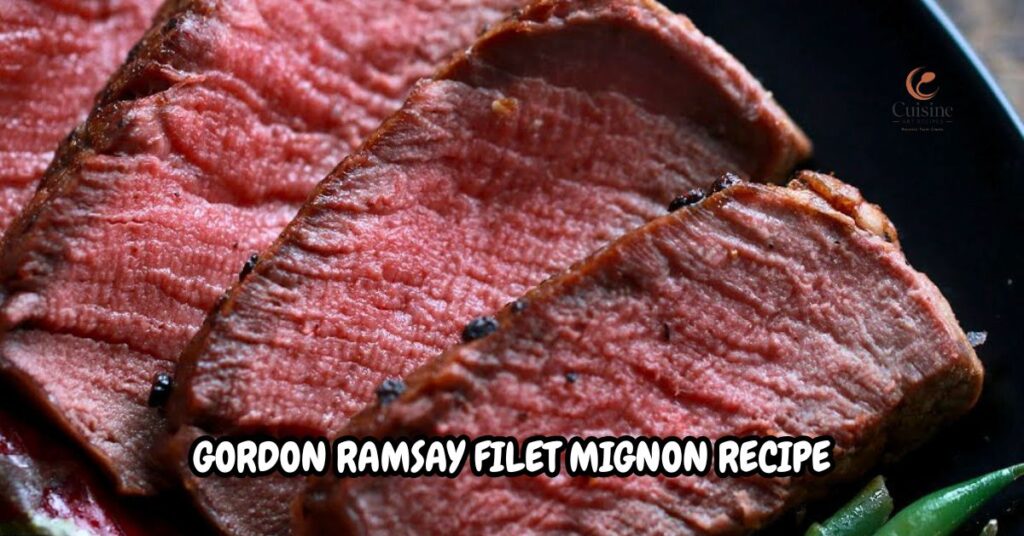
I made this Gordon Ramsay Filet Mignon Recipe on a cold Friday night in February. It followed a rough week at work, and cooking it turned my mood around fast.
Most home versions of filet mignon turn out gray and dry in the middle. People skip the resting step, or they crowd the pan, and the crust never forms right.
Gordon Ramsay built his name on precise technique, especially the butter basting move he shows on Hell’s Kitchen. He tilts the pan, pools melted butter with garlic and thyme, then spoons it over the meat again and again.
This Beef Recipe is my homemade take on that steakhouse method. It uses a hot cast iron sear, then a quick butter baste, finished in the oven.

The Best Temperature and Technique for Perfect Filet Mignon
People ask me about temperature more than anything else in this recipe. A meat thermometer takes out the guesswork. Pull the filet at 130 degrees for medium rare, and it climbs near 135 during rest.
For medium, aim for 140 degrees before it rests. My ThermaPro digital thermometer beeps the moment it hits target, so I stop guessing. Carryover heat confuses a lot of cooks. The steak keeps cooking after it leaves the pan, which is why the pull point matters more than total cook time.
Some cooks call filet mignon overrated because it carries less fat than a ribeye. Less fat can mean less natural flavor without help from butter or a solid crust. Butter basting closes that gap fast. It coats the meat in flavor the cut can’t produce alone, which is why Ramsay leans on it so heavily.
My own take is simple. Filet mignon isn’t about big beefy flavor. It’s about texture so tender a butter knife cuts it, and that earns the price tag for me.
Ingredients for Gordon Ramsay’s Filet Mignon
2 filet mignon steaks (6 to 8 ounces each, about 1.5 inches thick): Thickness matters more than weight here, since a thin filet overcooks before a crust forms. I ask my butcher, Wagner Meats, to cut mine extra thick.
1½ teaspoons coarse kosher salt: Coarse salt draws less moisture out than fine table salt, so the crust forms without steaming the meat. I use Diamond Crystal, and I salt heavier than feels normal, covering every side.
¾ teaspoon freshly cracked black pepper: Cracking pepper yourself keeps the oils sharp, not dusty, and you taste that difference in the crust. Pre-ground pepper works in a pinch, but the bite fades fast.
2 tablespoons grapeseed oil: A high smoke point oil sears the crust without burning before the pan gets hot enough. I keep a bottle of La Tourangelle grapeseed oil just for this job. Canola or avocado oil work well in place of it, with almost no change in taste.
3 tablespoons unsalted butter: Butter carries the garlic and herb flavor into the meat while basting. It browns fast enough to smell nutty within seconds. I always reach for Kerrygold because it browns evenly.
3 garlic cloves, smashed: Smashing instead of mincing releases oil slowly, so the butter picks up flavor without burning bits. Leave the skin on for easier removal after basting.
4 fresh thyme sprigs: Thyme perfumes the butter as it melts, and the stems hold up through basting without falling apart. Dried thyme works in place of fresh, half a teaspoon instead of the sprigs, though the smell is milder.
2 sprigs fresh rosemary: Rosemary adds a sharper, piney note under the thyme, and it holds its shape better than most soft herbs once heat hits it. I snap mine straight off the plant on my porch.
A pinch of flaky sea salt, for finishing: A small pinch right before serving adds a bit of crunch the cooking salt doesn’t give. I like Maldon, sprinkled just before the plate goes out.
1 teaspoon olive oil, for the resting plate: A light coat under the finished steak keeps the crust from sticking to the plate while it rests. Skip this step for easier cleanup, with no real loss.
Kitchen Equipment You’ll Need
- 12-inch cast iron skillet: holds high, steady heat.
- Instant-read meat thermometer: removes the guesswork.
- Metal tongs: flips without piercing the meat.
- Small spoon: for butter basting.
- Oven mitts: pan moves stove to oven.
- Grooved cutting board: catches resting juices.
How to Make Gordon Ramsay’s Filet Mignon
1. Bring the Steak to Room Temperature: Take the steaks out of the fridge 30 minutes before cooking. Cold meat hitting a hot pan drops the pan’s temperature and weakens the crust.
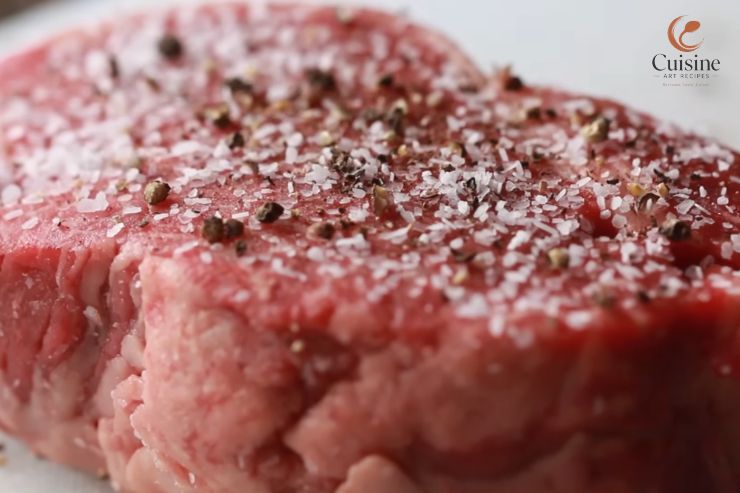
2. Pat Dry and Season: Blot both sides with paper towels, then cover every side heavy with kosher salt and cracked pepper. It looks excessive, but most of it belongs there.
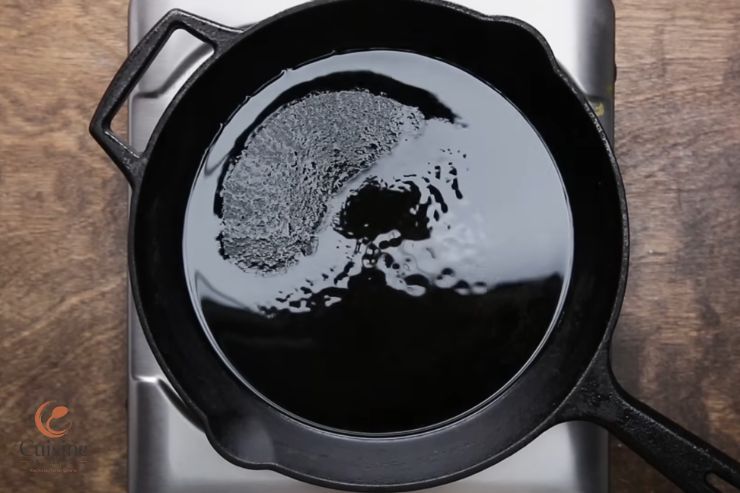
3. Heat the Pan: Set the cast iron over high heat for about 5 minutes, then add the grapeseed oil. I tried this once in a nonstick pan, and the crust barely formed at all. The oil is ready once it shimmers and just starts to smoke at the edges.
4. Sear Both Sides: Lay the steak away from you and leave it alone for 2 to 3 minutes per side. Flip once, when it releases easily. When it sticks to the pan, it isn’t ready yet. Keep it in place until it lets go on its own.
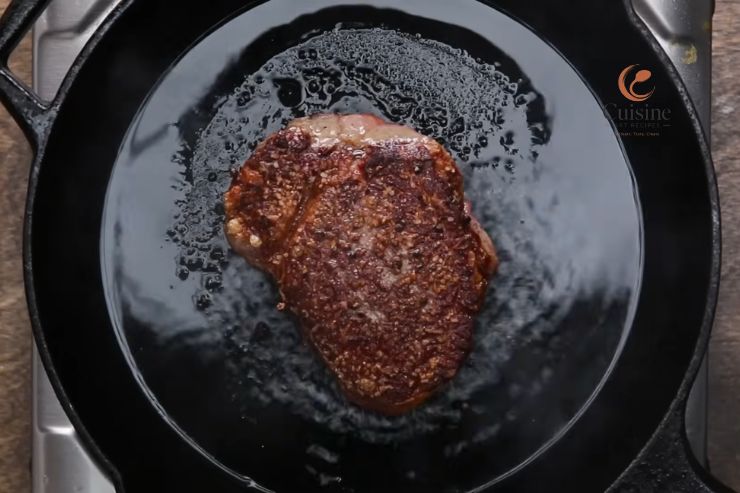
5. Baste with Garlic Butter: Add the butter, smashed garlic, and herbs. Tilt the pan, then spoon the melted butter over the steak for about 90 seconds.
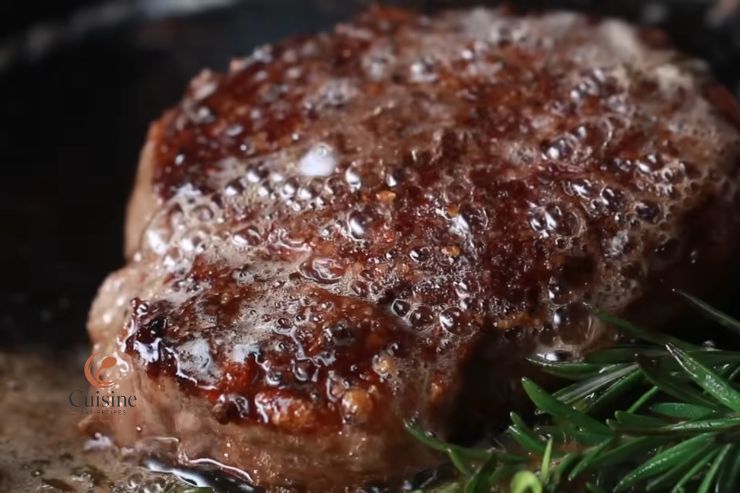
6. Finish in the Oven: Slide the whole pan into a 450 degree oven for 6 to 7 minutes, until it hits 130 degrees for medium rare.
7. Rest the Steak: Move it to a cutting board and let it sit 10 minutes. The temperature climbs to about 135 degrees during that time.
8. Slice Against the Grain: Cut the meat perpendicular to the muscle fibers. Filet mignon is already tender, and this makes each bite easier to chew.

Alternative Ways to Cook Filet Mignon
The primary method here sears the filet in a hot cast iron pan, bastes it in garlic butter, then finishes it in a 450 degree oven for 6 to 7 minutes.
A grill works well too. Build a two-zone fire and sear the steak over direct heat for 2 to 3 minutes per side. Move it to indirect heat until it hits 130 degrees. Skip the stovetop basting step, and brush on melted garlic butter instead.
An air fryer can finish the steak too, though it still needs a stovetop sear first for real crust. Sear both sides as usual first. Then move the steak to the air fryer at 400 degrees for about 5 to 6 minutes.
Stick with the stovetop sear and oven finish for a result closest to this Gordon Ramsay filet mignon recipe.
Chef’s Tips for Perfect Filet Mignon
1. Crust Won’t Form: The pan wasn’t hot enough, or the steak was still wet. Dry it fully and preheat the pan a full 5 minutes before oil goes in.
2. Steak Cooks Unevenly: The steak went into the pan cold. Give it the full 30 minutes at room temperature next time.
3. Butter Burns Instead of Browning: The heat stayed too high during basting. Pull the pan slightly off the burner while spooning butter over the meat.
4. Center Tastes Bland: Salt never reached the interior. Salt the steak at least 40 minutes ahead next time, not right before it hits the pan.
5. Garlic Turns Bitter: The cloves were smashed too small and burned fast in hot butter. Use fewer, larger pieces, and pull them out early once they darken.
6. Thermometer Reads Low Right After Pulling: The probe touched a cold spot near the surface. Insert it sideways through the center of the steak, not from the top.
Easy Filet Mignon Variations
Peppercorn Crust Filet: Press cracked pink and black peppercorns into the outside before searing. It adds sharp heat to every bite.
Blue Cheese Butter Filet: Mix a tablespoon of crumbled blue cheese into the finishing butter, then melt it over the rested steak for a tangy topping I serve with a big green salad.
Bacon-Wrapped Filet: Wrap a strip of bacon around the edge before cooking, adding smoky fat around a lean cut, best on a slow Sunday evening.
Cajun Blackened Filet: Swap the pepper for a Cajun spice blend before searing. It brings heat and color, and I like it with cornbread on the side.
Herb Compound Butter Filet: Blend softened butter with chopped parsley and lemon zest ahead of time, then melt a pat over the finished steak in place of basting.
What to Serve With Filet Mignon
Garlic mashed potatoes are my usual pick, since the leftover basting butter doubles as a topping once it’s spooned over the top.
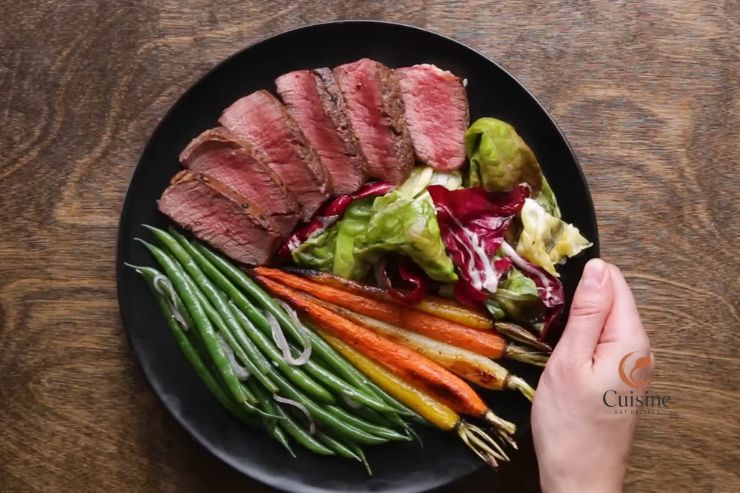
A simple arugula salad with lemon and shaved parmesan cuts through the richness without competing with the beef. Grilled asparagus or charred green beans round out the plate with some color and crunch.
On busy weeknights, I plate the steak with mashed potatoes and a quick salad. Dinner is done in under 45 minutes total.
How to Store Leftover Filet Mignon
Leftover steak keeps well for 3 days in the fridge, sealed inside an airtight container. Reheat it low and slow. A 250 degree oven, wrapped loosely in foil, warms the meat through without turning it gray and rubbery.
Freezing works too, though texture shifts a bit once thawed. Wrap portions tightly in plastic, then foil, and use them within 2 months.
Creative Ways to Use Leftover Steak
Slice cold leftover steak thin and pile it onto a toasted baguette with horseradish mayo and a few arugula leaves. This makes a fast sandwich, best within two days.
Dice it small and fold it into scrambled eggs with a little chopped chive the next morning. It makes a quick, protein-heavy breakfast that uses up the last few bites.
Cubed steak also works well tossed into fried rice with a fried egg on top, using up leftovers within 2 or 3 days. Either way, warm it gently instead of blasting it with high heat, so the meat doesn’t turn tough.
Filet Mignon Recipe FAQs
1. Can I use a different cut instead of filet mignon?
Yes. New York strip or ribeye work in the same method. Cook times shift, though, since those cuts run thicker with more fat. Watch the thermometer instead of the clock for accuracy.
2. Do I need cast iron specifically?
Cast iron holds heat best, but a heavy stainless steel pan works nearly as well. Skip nonstick pans, since they can’t handle the high heat this sear needs.
3. How spicy is this recipe?
Not spicy at all. Black pepper and garlic bring warmth, not heat. Try the Cajun version from the customize section above for more kick.
4. Why did my steak turn out tough?
Overcooking is the usual cause. Filet mignon turns chewy past medium, so pull it earlier than feels comfortable and trust the thermometer over your eyes.
5. Can I skip the butter basting step?
Yes, the steak still cooks fine without it. Skipping it just means less garlic and herb flavor soaked into the crust.
6. How do I check doneness with no thermometer?
Press the center with a finger. Medium rare feels close to the base of your thumb when your thumb and pointer finger touch. It’s a rough guide, not exact.
7. Can I cook two steaks in one pan at once?
Yes, in a 12-inch skillet. Give each steak room to breathe, since crowding drops the pan’s heat and steams the meat instead of searing it.
8. Is filet mignon the same thing as tenderloin?
Filet mignon comes from the tenderloin, cut into individual steaks near the narrow end. The whole tenderloin roast is a larger, related cut.
Gordon Ramsay Filet Mignon Recipe
Gordon Ramsay Filet Mignon Recipe with a hot cast iron sear, garlic butter baste, and oven finish for a tender, steakhouse-style crust.
Ingredients
- 2 filet mignon steaks (6 to 8 ounces each, about 1.5 inches thick)
- 1½ teaspoons coarse kosher salt
- ¾ teaspoon freshly cracked black pepper
- 2 tablespoons grapeseed oil
- 3 tablespoons unsalted butter
- 3 garlic cloves, smashed
- 4 fresh thyme sprigs
- 2 fresh rosemary sprigs
- A pinch of flaky sea salt, for finishing
- 1 teaspoon olive oil, for the resting plate
Instructions
- Take the steaks out of the fridge 30 minutes before cooking. Cold meat hitting a hot pan drops the pan’s temperature and weakens the crust.
- Blot both sides with paper towels, then cover every side heavy with kosher salt and cracked pepper. It looks excessive, but most of it belongs there.
- Set the cast iron over high heat for about 5 minutes, then add the grapeseed oil. I tried this once in a nonstick pan, and the crust barely formed at all. The oil is ready once it shimmers and just starts to smoke at the edges.
- Lay the steak away from you and leave it alone for 2 to 3 minutes per side. Flip once, when it releases easily. When it sticks to the pan, it isn’t ready yet. Keep it in place until it lets go on its own.
- Add the butter, smashed garlic, and herbs. Tilt the pan, then spoon the melted butter over the steak for about 90 seconds.
- Slide the whole pan into a 450 degree oven for 6 to 7 minutes, until it hits 130 degrees for medium rare.
- Move it to a cutting board and let it sit 10 minutes. The temperature climbs to about 135 degrees during that time.
- Cut the meat perpendicular to the muscle fibers. Filet mignon is already tender, and this makes each bite easier to chew.
Nutrition Information:
Yield: 2 Serving Size: 1Amount Per Serving: Calories: 520
Gordon Ramsay Filet Mignon Recipe rewards patience more than skill. The steps stay simple: dry the meat, salt it heavy, sear it hot, then baste and rest before the first cut.
Get those four things right, and the price tag stops feeling like a gamble. It becomes a Tuesday dinner as much as a Friday one, and that shift changed how I cook steak on any regular night.