
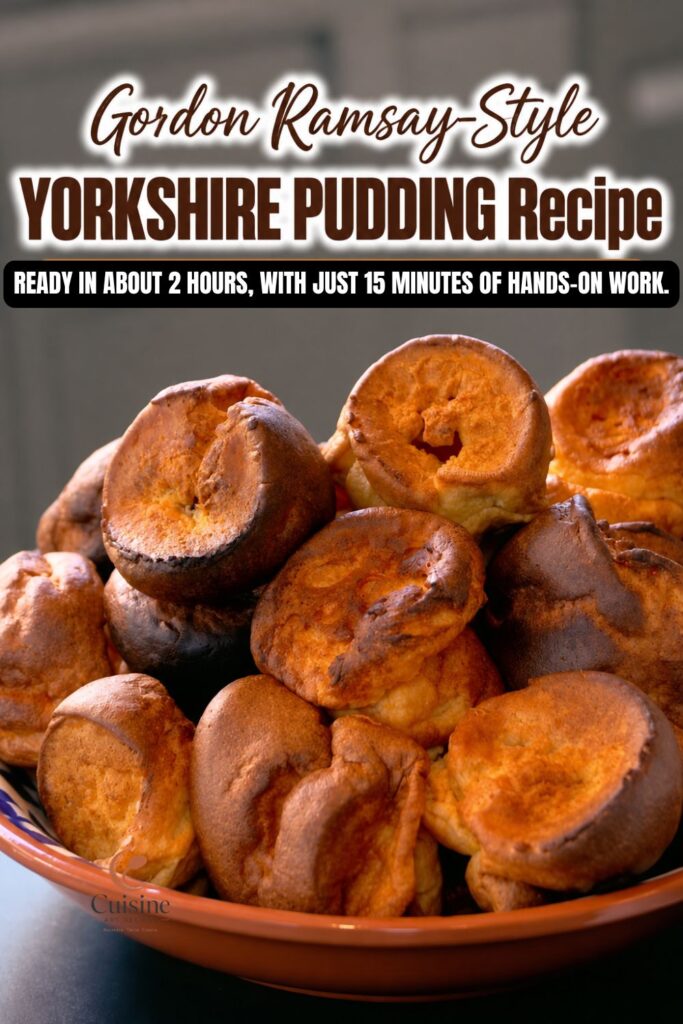
Last October, my brother-in-law opened the oven door at minute eleven and flattened an entire tray of Yorkshire puddings. That disaster sent me deep into testing the recipe. I kept making batch after batch until I finally understood what made the tin behave.
Most of my failed batches came down to three things: the tin wasn’t hot enough, the batter hadn’t rested long enough, or the oven door was opened too soon. In Gordon Ramsay Yorkshire Pudding Recipe, the batter is mixed the night before and left to rest on the counter. His cookbook calls this long rest the secret to getting a good rise.
Why Yorkshire Puddings Sink and How This One Stays Tall
Flat puddings come from weak steam. The batter must hit fat so hot that it sets before it can slump. The water in the milk and eggs turns to steam, and the crust traps it.
Resting is the other half. Starch in the flour soaks up the milk, and the gluten relaxes. My batter sat for 1 hour 15 minutes while the oven heated.
Many American cooks ask about pans. A standard 12-cup muffin tin works here, and Gordon’s published notes allow one. Plain flour in British recipes matches all-purpose flour in the US.
Popovers lean on the same steam. The difference is the fat: Yorkshire puddings sit in sizzling oil, which fries the base into a crisp floor.
Ingredients for Yorkshire Puddings
3 large eggs (about 150 g shelled): Eggs build the structure by setting into thin walls around the steam. I buy Vital Farms large eggs and leave them out for 30 minutes first. Cold eggs chill the batter.
Crack each one into a small cup first. A stray shell fragment is easier to catch there than in the batter. My blue ramekin from a thrift store handles this job every time.
1¼ cups (150 g) all-purpose flour: Flour sets the walls of each pudding. Its starch gels in the heat while the gluten stretches upward. I use King Arthur all-purpose, spooned into the cup and leveled, since packed flour makes a dense batter.
Gluten-free 1-to-1 blends, such as Bob’s Red Mill, work in place of it. Expect a shorter rise. A kitchen scale beats cups here, since a scooped cup can weigh 20 g more than a spooned one.
¾ cup plus 2 tablespoons (200 ml) whole milk: Milk thins the batter and supplies the water that becomes steam. Its fat and milk sugar help the walls brown. I buy Kirkland whole milk and pull it from the fridge 20 minutes early.
Oat milk swaps in at the same amount for dairy-free cooks. Expect slightly paler walls, since there is less milk fat to brown. Choose plain, unsweetened oat milk, because vanilla versions flavor the batter.
A scant ½ teaspoon fine sea salt: Salt gives the plain batter its flavor, since egg and milk carry little on their own. I reach for Morton fine sea salt, which dissolves instantly in the cold mix. Diamond Crystal kosher salt works too. Use a scant ¾ teaspoon, since its flakes pack lighter. Stir it into the flour before sifting so it spreads evenly without extra whisking.
4 tablespoons (60 ml) avocado oil or beef drippings: Fat does the heavy lifting. Hot oil fries the bottom of each pudding into a crisp base. I use Chosen Foods avocado oil because it holds up at 425°F without burning.
Beef drippings from a Sunday roast add a deeper, meaty note at the same amount. Extra virgin olive oil smokes too early at this heat, so skip it. Measure with a spoon, not by eye, since pooled oil makes greasy bases.
1 pinch flaky sea salt (optional): Gordon’s notes call for a coarse salt sprinkle on the wet batter. Those crystals stay crisp on the surface. Maldon is my brand, and the pinch goes on right before the tin returns to the oven.
Skip it for anyone watching sodium. The batter already carries enough seasoning, and gravy adds more. Crush larger flakes between your fingers so they sit flat.
1 to 2 tablespoons extra whole milk (optional): Use it to thin a batter that feels thick after resting. Flour keeps absorbing liquid, so rested batter often needs a spoonful. Stir it in gradually until the batter pours like single cream.
Overnight batter needs this most. Mine tightened noticeably after 12 hours in the fridge, so I added 2 tablespoons.
Required Kitchen Equipment
- 12-cup muffin tin: Standard size works fine.
- Large mixing bowl: Room to whisk freely.
- Balloon whisk: Smooths flour lumps quickly.
- Fine mesh sieve: Sifts flour, strains lumps.
- 4-cup Pyrex measuring jug: Pours batter without drips.
- Oven mitts: Tin gets very hot.
- Wire rack: Keeps bases crisp.
- Kitchen scale: Weighs flour accurately.
How to Make Yorkshire Puddings
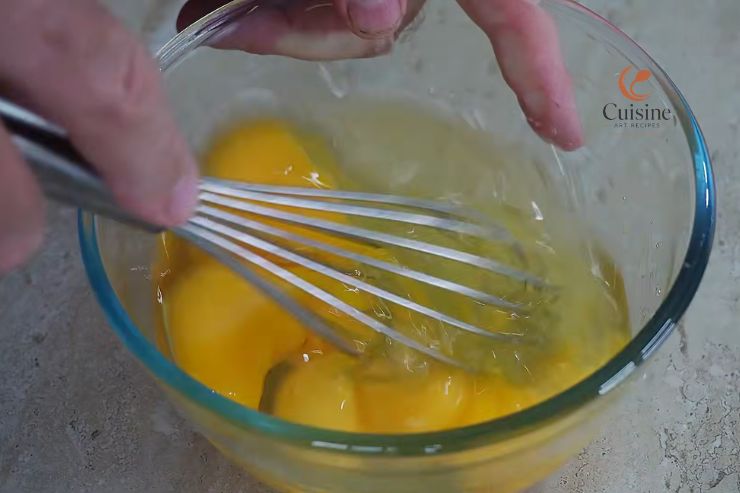
1. Whisk the Eggs: Crack the 3 eggs into a large bowl, then whisk for about 45 seconds. I use a balloon whisk and my dented steel bowl from college. Look for a pale, slightly foamy mix with no streaks of yolk left.
2. Beat In the Flour and Salt: Sift the 150 g flour and salt over the eggs. Beat it in gradually, in three additions, until no dry pockets remain. The mix will look like a thick, tight paste. That stiff paste is normal. It loosens once the milk goes in.
3. Stream In the Milk: Pour in the 200 ml of milk slowly while whisking. Keep going until the batter runs off the whisk in a thin, steady ribbon. It should coat a spoon lightly, like single cream. For stubborn lumps, strain the batter through a sieve now, because they bake into hard white specks.
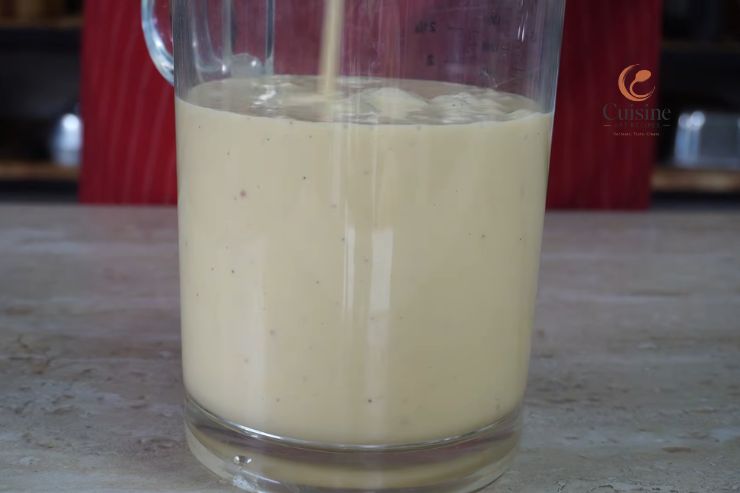
4. Rest the Batter: Cover the bowl and leave it on the counter for 1 hour 15 minutes. Stir gently with a spoon before using, not a whisk. Tiny bubbles on the surface mean the starch has soaked up the milk. Thin it with extra milk, a tablespoon at a time, when it feels thick.
5. Heat the Tin: Preheat the oven to 425°F with a rack in the upper third. Spoon 1 teaspoon oil into each cup, then heat the tin for 12 minutes. Look for shimmering oil and a faint wisp of smoke. My oven runs hot, so I check the tin at minute 11.
6. Pour at the Oven: Stir the batter, pour it into a jug, and fill each cup three-quarters full at the open oven. Add a pinch of flaky salt, then slide the tin back in at once. Each cup should sizzle loudly on contact. A quiet pour means the oil was too cool, so heat the tin 4 minutes longer next time.
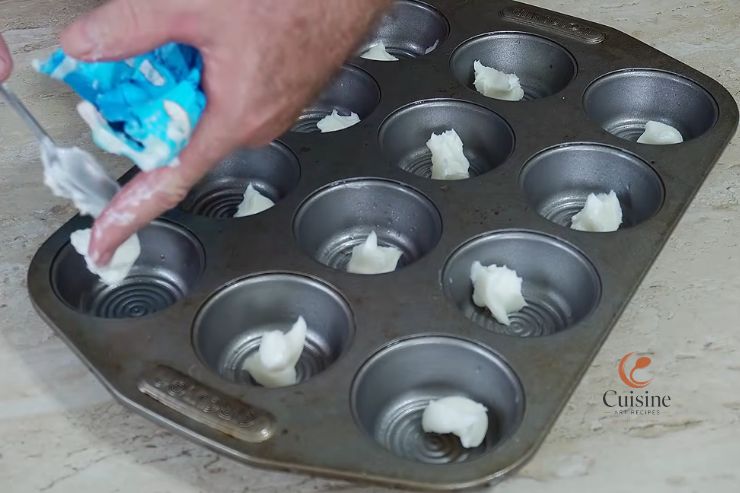
7. Bake Without Peeking: Bake for 20 minutes with the door shut. Opening it lets heat escape, and the puddings can collapse. Mine rose around minute 9 and turned deep gold by minute 18. A pudding that sank from an early peek will not recover.
Bake 3 more minutes so the sides crisp enough to hold gravy.
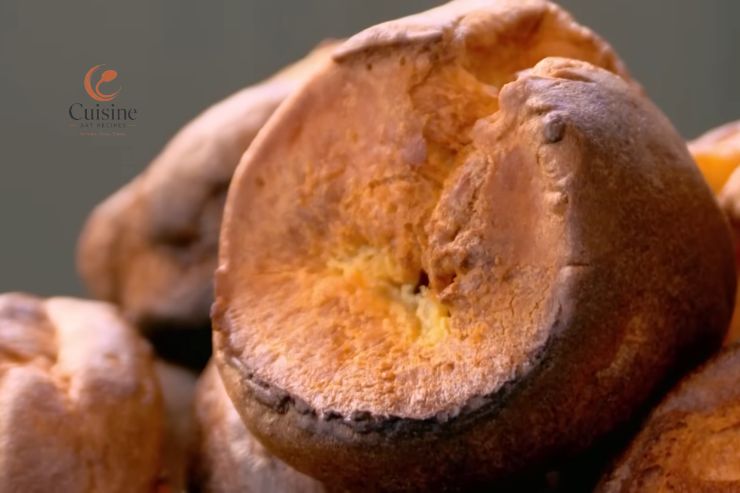
8. Cool Briefly and Serve: Lift the puddings out with a butter knife and set them on a wire rack for 1 minute. Serve within 5 minutes while the bases are crackling. Tap one base. It should sound hollow and crisp.
Chef Special Tips for Yorkshire Pudding
1. Lopsided Rise: Uneven pouring causes it. Fill every cup in one steady pass from the jug, stopping at three-quarters full.
2. Bitter Dark Rims: Oil left in the tin past 15 minutes starts to burn. Set a timer when the tin goes in.
3. Smoke Alarm Shrieking: Drips on the tin’s rim burn first. Wipe them off before preheating, and crack a window.
4. Pale, Damp Bottoms: Thin or light-colored tins heat slowly. A heavy, dark metal tin browns the base faster.
5. Puddings Deflating Fast: Trapped steam collapses the walls. Prick each side with a toothpick the moment they leave the oven.
6. Stuck Puddings: Weak oil coverage glues the walls to the tin. Use a full teaspoon per cup, and spoon the oil up the sides.
How I Customize This Yorkshire Pudding
Horseradish Kick: Stir 2 tablespoons creamed horseradish into the rested batter, a nod to Gordon’s roast beef version. It adds a sharp bite that cuts through fatty beef. I serve it with Sunday slices.
Herb Version: Whisk 1 tablespoon chopped chives and 1 teaspoon thyme leaves into the batter. The herbs scent the steam as the tin bakes. These suit roast chicken and its pan juices.
Sharp Cheddar: Sprinkle 1 teaspoon finely grated sharp cheddar into each cup right after pouring. It melts into a lacy, golden crown. I pair these with soup.
Mini Bites: Use a 24-cup mini tin with ½ teaspoon oil per cup, and start checking at 11 minutes. Fill them with warm roast beef and a dot of horseradish cream for a game-day tray.
Toad in the Hole: Brown 6 sausages in a 9×13 dish with 2 tablespoons hot oil, pour the batter around them, and bake 30 to 35 minutes. The sausage fat seasons the batter. I make it on cold Tuesday nights.
What I Serve With Yorkshire Pudding
Roast beef is the classic partner. Slice it thin and ladle gravy from the pan juices into each cup. Roast chicken follows the same logic and suits a lighter plate. A spoonful of horseradish on the side wakes up the beef.
Roasted carrots and parsnips add sweetness beside the savory cups. Steamed green beans or buttered peas add a fresh, grassy note. Pickled red cabbage is a good tart contrast too. Heavy sides like mac and cheese pile richness on richness, so skip them.
English mustard cuts through gravy with a sharp, sinus-clearing heat. Cranberry sauce adds tart fruit that lifts fatty beef. Gravy deserves its own pitcher, so everyone can fill their own cups.
Last October’s Sunday plate started with a 3-pound beef top round, roasted to 130°F and rested 20 minutes. My brother-in-law carved, my niece poured the gravy, and the puddings baked while the beef rested.
How I Store Yorkshire Pudding
Cool the puddings completely on a wire rack, about 30 minutes. Trapped steam softens the bases, so never box them while warm. Use an airtight container lined with a paper towel, and keep them in a single layer.
They keep up to 3 days in the fridge. For longer storage, freeze them on a tray, then bag them for up to 2 months. I use a wide Glasslock container so nothing gets squashed.
Reheat on a wire rack at 375°F, 6 to 8 minutes from the fridge and about 12 from frozen. The microwave turns the walls rubbery, so skip it. Soft ones revive with 3 extra minutes at 400°F.
Raw batter keeps 2 days in a covered jar in the fridge. It thickens, so thin it with a tablespoon of milk and rest it 30 minutes at room temperature first.
Turning Leftover Yorkshire Pudding Into Something New
Use leftover puddings within 2 days, while the bases still hold a crunch. They turn spongy after that. Reheat them at 375°F for 6 minutes before any idea below.
For a pub-style wrap, split a warm pudding and fill it with sliced roast beef and creamed horseradish. A few arugula leaves add peppery crunch. It makes a handheld lunch that needs no plate.
For a sweet turn, split one and drizzle in golden syrup. A dusting of cinnamon sugar makes it a quick dessert.
Yorkshire Pudding Recipe FAQs
1. Can I use self-rising flour?
Plain all-purpose flour is the better pick. Steam does the lifting here, and self-rising flour adds baking powder, which can give the puddings a cakier, breadier bite. Stick with all-purpose and a hot tin for the cleanest rise.
2. Can I mix the batter in a blender?
Yes. Gordon’s published method uses one. Blend the eggs, milk, flour, and salt for about 20 seconds, then rest the batter as usual. Blending removes lumps faster, and the rest lets the foam settle.
3. Should the batter be cold or room temperature when it hits the tin?
Both rise. Gordon’s notes mention cold batter meeting very hot fat for a quick puff. I use room temperature batter after the 1 hour rest, because it pours faster and cleaner from the jug.
4. Can I keep puddings warm while the roast finishes?
Park them on a wire rack in a 200°F oven for up to 15 minutes, with the door cracked. Foil traps steam and softens the bases, so leave them uncovered.
5. Does a nonstick tin still need oil?
Yes. The hot fat fries the base crisp, and a coating cannot do that job. Dark nonstick tins also brown faster, so start checking at 16 minutes rather than 20.
6. Can I bake them in a glass dish?
Skip glass for this method. Cold batter hitting a dish heated to 425°F with oil risks cracking it. Metal muffin tins and cast-iron skillets handle the shock without trouble.
7. How many puddings should I plan per person?
Plan on 2 per person at a roast dinner. Hungry eaters, like my brother-in-law, will take 3, so the batch of 12 feeds 4 to 6 people.
8. Can I freeze the raw batter?
I have not tested it, so I cannot vouch for the rise. The batter keeps 2 days in the fridge, and freezing baked puddings works better, as the storage section shows.
9. Can I use whole-wheat flour?
Swap in up to ¼ of the flour by weight. Whole-wheat flour absorbs more milk, so add 1 extra tablespoon of milk to keep the batter pourable.

Gordon Ramsay Yorkshire Pudding Recipe
Gordon Ramsay Yorkshire Pudding Recipe with a rested batter and smoking-hot tin for tall, crisp puddings. Ready in about 2 hours, with just 15 minutes of hands-on work.
Ingredients
- 3 large eggs
- 1¼ cups (150 g) all-purpose flour
- ¾ cup plus 2 tablespoons (200 ml) whole milk
- A scant ½ teaspoon fine sea salt
- 4 tablespoons (60 ml) avocado oil or beef drippings
- 1 pinch flaky sea salt (optional)
- 1 to 2 tablespoons extra whole milk (optional)
Instructions
- Crack the 3 eggs into a large bowl, then whisk for about 45 seconds. I use a balloon whisk and my dented steel bowl from college. Look for a pale, slightly foamy mix with no streaks of yolk left.
- Sift the 150 g flour and salt over the eggs. Beat it in gradually, in three additions, until no dry pockets remain. The mix will look like a thick, tight paste. That stiff paste is normal. It loosens once the milk goes in.
- Pour in the 200 ml of milk slowly while whisking. Keep going until the batter runs off the whisk in a thin, steady ribbon. It should coat a spoon lightly, like single cream. For stubborn lumps, strain the batter through a sieve now, because they bake into hard white specks.
- Cover the bowl and leave it on the counter for 1 hour 15 minutes. Stir gently with a spoon before using, not a whisk. Tiny bubbles on the surface mean the starch has soaked up the milk. Thin it with extra milk, a tablespoon at a time, when it feels thick.
- Preheat the oven to 425°F with a rack in the upper third. Spoon 1 teaspoon oil into each cup, then heat the tin for 12 minutes. Look for shimmering oil and a faint wisp of smoke. My oven runs hot, so I check the tin at minute 11.
- Stir the batter, pour it into a jug, and fill each cup three-quarters full at the open oven. Add a pinch of flaky salt, then slide the tin back in at once. Each cup should sizzle loudly on contact. A quiet pour means the oil was too cool, so heat the tin 4 minutes longer next time.
- Bake for 20 minutes with the door shut. Opening it lets heat escape, and the puddings can collapse. Mine rose around minute 9 and turned deep gold by minute 18. A pudding that sank from an early peek will not recover. Bake 3 more minutes so the sides crisp enough to hold gravy.
- Lift the puddings out with a butter knife and set them on a wire rack for 1 minute. Serve within 5 minutes while the bases are crackling. Tap one base. It should sound hollow and crisp.
Notes
Pour in the oven so you never carry a tray of hot fat. Anyone with an egg allergy should skip this version.
Nutrition Information:
Yield: 6 Serving Size: 1Amount Per Serving: Calories: 185
Hot fat and a patient batter did more than any added ingredient. Keep the oven door shut until minute 20, and the tin handles the rest.