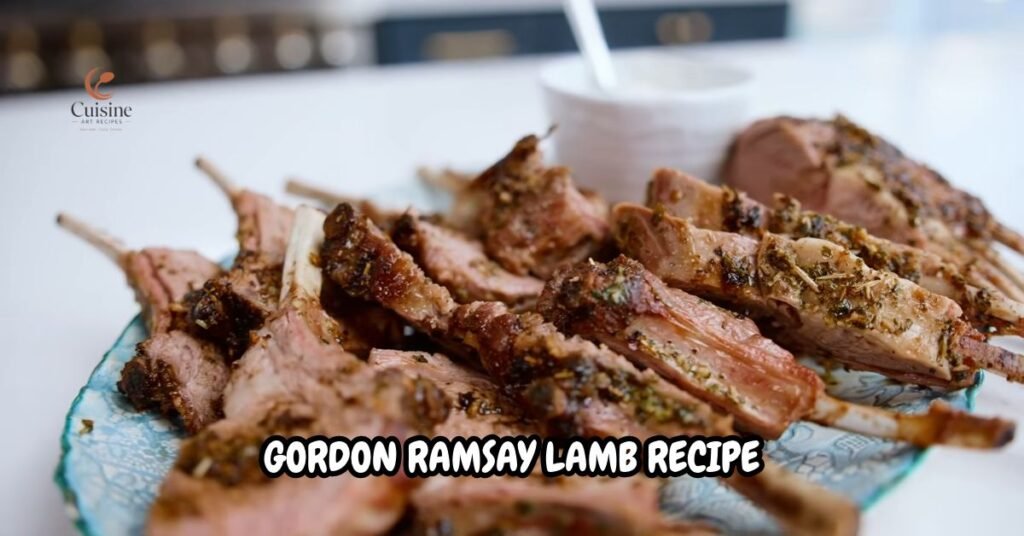
This Gordon Ramsay Lamb Recipe fills your kitchen with irresistible aromas and brings restaurant-style dining right to your home. Inspired by Gordon Ramsay’s rack of lamb, I recreated this dish with help from my aunt, who grew up preparing lamb the traditional way.
She always said that lamb doesn’t need much, just fire, patience, and a little care. And she was absolutely right!
This has become one of my favorite main courses during the colder months, whether I’m preparing a special weekend dinner for my family or hosting guests.
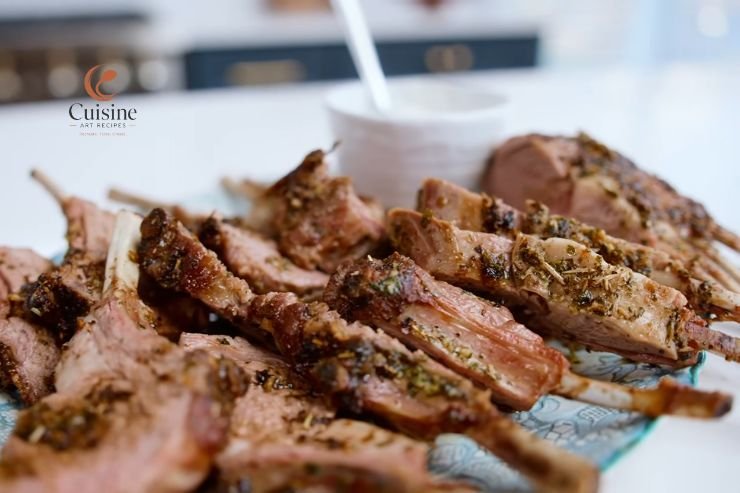
Three perfectly cooked lamb chops, fanned out over warm carrots and turnips and served with a spoonful of yogurt sauce and olive oil-crushed new potatoes, make for a truly unforgettable meal.
Which Method Is Better for Rack of Lamb?
Popular American cooking shows recommend roasting first and searing last to avoid a gray band beneath the crust. However, the traditional American method of cooking a small rack of lamb can withstand higher heat without overcooking the edges, so searing first is perfectly fine in this case.
Personally, I prefer the reverse-sear method because it produces more even results. Their rack had a gray band of less than 1 millimeter, which is quite impressive.
However, for a rack thicker than 2 inches or one that lacks a proper crust, their method would be the better choice.
This lamb is finished at 132°F, so the meat will remain pink inside. If you have any concerns about eating pink meat, please avoid this preparation.

Ingredients for Gordon Ramsay Lamb Recipe
2 frenched lamb racks (about 1 ¾ pounds each): Clean bones double as handles for turning the rack in the pan. I buy Australian racks at Costco and thaw them overnight in the fridge. Look for a fat cap near ⅛ inch thick.
2 tablespoons grape-seed oil: Its high smoke point keeps the pan blazing through the sear. I use Napa Valley Naturals. Olive oil is a fine swap, though it smokes sooner and needs a slightly lower burner.
1 ¾ teaspoons kosher salt: Salt seasons the interior and helps the surface brown. I measure Diamond Crystal; with Morton, use 1 ¼ teaspoons, since its flakes are denser. Season just before searing, because early salt pulls juice to the surface.
A scant ¾ teaspoon freshly ground black pepper: Pepper adds a warm bite that balances the rich fat cap. I grind it fresh with a Peugeot mill, since pre-ground pepper loses its aroma oils. Add it with the salt, not later.
3 tablespoons Dijon mustard: Dijon acts as the glue for the crust, and its vinegar cuts through the fat. I bought Maille. Whole-grain mustard works well too, though the crust sits a little less evenly because of the seeds.
½ cup packed fresh basil leaves (about 15 grams): Basil gives the crust its green, peppery base. Cut leaves darken fast, so process them with the oil right away. I grow a pot on the windowsill and pick it that morning.
¼ cup packed flat-leaf parsley: Parsley adds bulk and a clean, grassy note that keeps the basil from taking over. Use the tender stems too. Mint works in place of parsley, but cut it to 2 tablespoons because it overpowers fast.
¾ cup panko: Coarse flakes stay crisp in the oven because they hold less oil than finely ground bread. I use Kikkoman. Gluten-free panko swaps in one for one and browns faster, so start checking at 10 minutes.
3 garlic cloves: Garlic adds sharp, sulfury heat, and its moisture helps the paste cling. Choose firm heads with no green sprouts, which turn bitter in the oven. Mince them fine so no chunk burns.
1 tablespoon fresh thyme leaves: Thyme has woody oils that survive 425°F better than basil does. Strip the leaves by pulling the stem backward through your fingertips. A Trader Joe’s clamshell gives plenty for this crust.
3 tablespoons extra virgin olive oil: Oil binds the herbs into a damp, spreadable paste, so the crust browns instead of drying out. I reached for California Olive Ranch. Add it in splashes and stop once the paste clumps when squeezed.
1 lemon, zested (about 2 ¼ teaspoons): Zest adds brightness without extra liquid, so the crust stays crisp. Use a Microplane and skip the white pith, which tastes bitter. Save the juice for the yogurt sauce.
A pinch of flaky sea salt: Sprinkled on cut chops, the flakes add a quick crunch before the juices dissolve them. I use Maldon. Add it at the table, since the oven would melt the flakes into the crust.
Required Kitchen Equipment
- 12-inch cast-iron skillet: even searing heat
- Instant-read thermometer: probe, never the clock
- Rimmed baking sheet: catches dripping fat
- Small food processor: fast herb paste
- Long tongs: hold bones, not meat
- Pastry brush: thin mustard coat
- Sharp carving knife: clean cuts between bones
How to Make Gordon Ramsay Lamb
1. Warm the Lamb: Pull the racks from the fridge 30 minutes before cooking. Set the oven to 425°F with a rack in the middle. Pat the meat completely dry with paper towels. The surface should feel tacky. Wet meat steams and sears gray.

2. Mix the Crust: Pulse the basil, parsley, garlic, thyme, zest, and olive oil in a small processor for about 8 seconds. Stir the paste into the panko by hand, since the blade turns flakes to mush. The mix should hold together when squeezed and look speckled green.
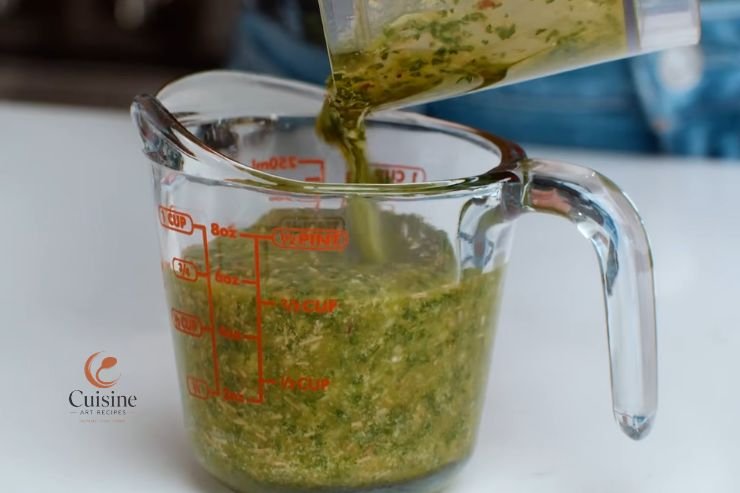
3. Heat the Skillet: Set the 12-inch cast-iron skillet over medium-high heat for 3 minutes. Add the grapeseed oil. While it heats, salt and pepper both racks, including the ends. The oil should shimmer and release one thin wisp of smoke.
My Lodge skillet needs all 3 minutes on my gas burner.
4. Sear Each Rack: Lay one rack in the pan, fat side down. Sear 2 minutes, then 90 seconds on the meaty side, then 30 seconds on each end. Hold the bones with tongs to turn it. Repeat with the second rack.
One rack stuck when I rushed the preheat. A weak hiss means the pan is too cool. Lift the rack, wait 60 seconds, and set it back.
5. Cool and Brush: Move both racks to a rimmed baking sheet, bone side down. Rest 5 minutes. Brush a thin, even coat of Dijon over the meaty side only. Hot meat thins the mustard and the crust slides, so wait the full 5 minutes.

6. Press on the Crust: Pat the crust mix onto the mustard in a layer about ¼ inch thick. Keep it off the bones, or it scorches black. Wipe stray flakes away with a damp paper towel. Bare patches need another dab of Dijon, then a firm second press.
7. Roast to 125°F: Roast 12 to 14 minutes. At minute 11, slide the probe sideways into the thickest eye. Pull both racks at 125°F. The crust should look golden brown with dark herb flecks. My oven runs hot, so I check early.

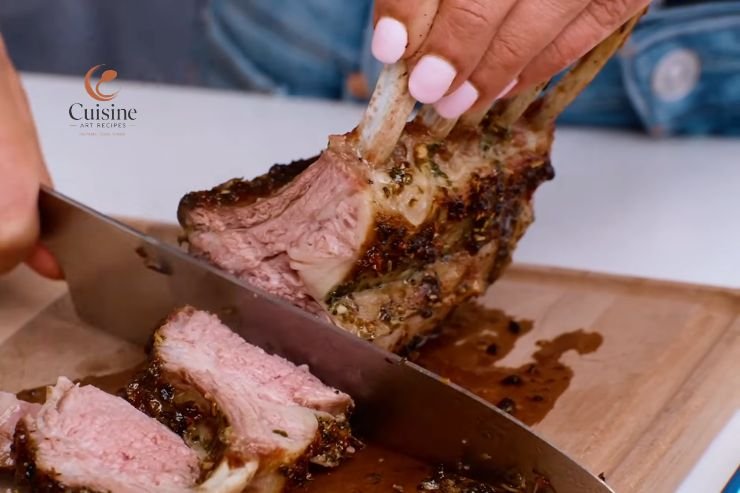
8. Rest and Carve: Tent loosely with foil and rest 10 minutes. The temperature will climb to about 132°F. Cut between the bones with one firm push per chop. Each chop should be rosy pink in the center, with clear juice on the board. Finish with a pinch of Maldon.
Chef Special Tips for Gordon Ramsay Lamb
1. Smoke Alarm Screaming: Pour off all but a spoonful of rendered fat before searing the second rack. Leftover fat burns fast.
2. Crust Browns Too Early: Lay a loose foil sheet over the top once the crust turns deep gold, then keep roasting.
3. Thin End Runs Overdone: Racks taper. Slide a folded foil strip over the narrow end for the last 5 minutes.
4. Rubbery Fat Cap: Score the fat in ¼ inch diamonds, cutting just through the fat, before you salt.
5. Pale Sear on Thawed Racks: Thawed racks weep liquid. Dry them, then rest them uncovered in the fridge for 1 hour.
6. Plates Steal the Heat: Warm plates in a 200°F oven for 10 minutes while the lamb rests.
How I Customize This Ramsay-Style Rack of Lamb
Pistachio and Mint: Swap the parsley for mint and fold in ¼ cup chopped pistachios. The nuts add a coarse crunch that panko alone lacks. I serve it over warm farro with lemony yogurt.
Harissa Kick: Stir 1 tablespoon harissa into the Dijon before brushing. The chile paste adds smoky heat, and its oil helps the crust brown. I pair it with couscous and cucumber salad.
Anchovy and Rosemary: Mince 2 anchovy fillets into the paste and use 1 tablespoon rosemary instead of thyme. The anchovy melts into the oil and adds savory depth. I serve it with white beans.
Parmesan Crust: Add ¼ cup grated Parmesan to the panko. The cheese browns faster, so check the lamb at minute 10. I serve it with roasted fingerling potatoes.
Orange and Fennel: Use orange zest in place of lemon and add 1 teaspoon crushed toasted fennel seed. The orange rounds out the citrus, and the fennel echoes the herbs. I serve it with a shaved fennel salad.
What I Serve With Ramsay-Style Rack of Lamb
Cold yogurt sauce comes first. Stir 1 cup Greek yogurt with 2 tablespoons chopped mint and the juice of the zested lemon. The tang cuts through the rich fat cap.
Glazed carrots and turnips suit this lamb, since carrots add sweetness and turnips bring an earthy edge. Roasted new potatoes work too. A Greek salad with cucumber and feta adds crunch. A Pinot Noir matches the herbs without drowning them.
How I Store Ramsay-Style Rack of Lamb
Cool the cooked chops, then refrigerate them within 2 hours in an airtight glass container. They keep 3 days. Lay parchment between the chops so the crust does not stick to its neighbor. I use a 9-by-13-inch Pyrex dish with a lid.
For a gentle warm-up, set the chops on a baking sheet in a 275°F oven for about 10 minutes. The USDA advises reheating leftovers to 165°F, which cooks lamb well done. Cold slices are the gentler choice.
The crust softens in the fridge. Brown it again under the broiler for 2 minutes, crust side up, watching closely, since panko scorches fast. A dry skillet, crust side down, also works.
Freeze cooked chops for up to 2 months. Wrap each in foil, then bag them, pressing the air out first to limit freezer burn. Thaw overnight in the fridge.
Turning Leftover Lamb Into Something New
Use leftover chops within 3 days. Two racks usually leave 6 to 8 chops. Slice the meat off the bones while it is cold, since chilled lamb cuts cleanly.
Lamb pita: Warm the slices 1 minute in a dry skillet. Stuff them into pita with yogurt sauce, cucumber, and red onion. The crust adds crunch, so leave it on.
Lamb hash: Dice the meat and fry it with diced potatoes in 1 tablespoon oil for about 8 minutes. Top with a fried egg. Cooked lamb dries as it ages, so use it in the first 2 days.
Ramsay-Style Rack of Lamb Recipe FAQs
1. Can I use dried herbs in the crust?
Dried works only for the thyme, at 1 teaspoon. Keep the basil and parsley fresh, because dried versions lose their color and most of their aroma at 425°F. Rub dried thyme between your palms first to wake it up.
2. Can I coat the racks ahead of time?
Mix the crust up to 1 day ahead and refrigerate it. Brush and press it on within 2 hours of roasting, because mustard moisture softens the panko over time. Keep coated racks uncovered in the fridge.
3. How many ribs should each person get?
Plan on 4 ribs per person for a main course. For a starter, 2 ribs is plenty, so two racks then serve 8 people. Count the ribs before you buy, since some racks run 7 or 9.
4. How spicy is this lamb?
Barely spicy. Dijon brings a mild tang, not heat. Taste your mustard first, since brands differ in sharpness. For real heat, add ¼ teaspoon cayenne to the crust mix.
5. Why does my lamb taste so strong?
Much of lamb’s strong flavor sits in the fat, so keep the fat cap near ⅛ inch. Grain-finished American lamb runs milder than grass-fed imports. Remove any loose silverskin with a paring knife.
6. How do I cook it to medium?
Pull the racks at 135°F and rest 10 minutes. They climb to about 142°F, with a pink center that is firmer than medium-rare. Probe early, since the margin is only a few degrees.
7. Do I need a roasting rack?
No. Set the rack’s bone side down on a rimmed baking sheet, and the curved bones act as a built-in rack. Line the sheet with foil for faster cleanup.
8. Can I use lamb loin chops instead?
Yes. Use 8 thick loin chops, sear 90 seconds per side, crust the tops, and roast. Start probing at minute 5, and pull at 125°F as usual.
9. What if my racks are larger?
Racks near 2 ¼ pounds need 4 to 6 extra minutes in the oven. Trust the probe rather than the clock, and rest them the full 10 minutes.
Gordon Ramsay Lamb Recipe
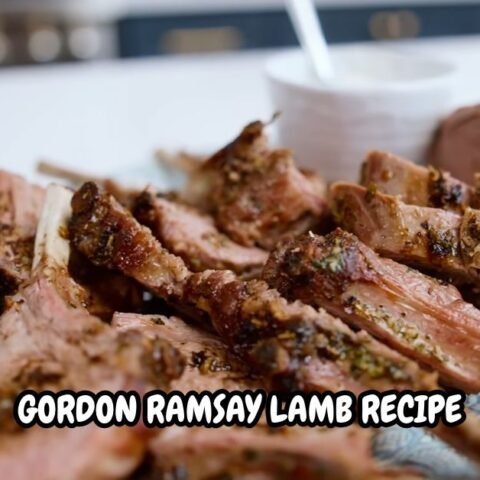
Gordon Ramsay Lamb Recipe with a basil-parsley crust, a hot-skillet sear, and a 125°F pull for juicy pink chops. Ready in 55 minutes.
Ingredients
- 2 frenched lamb racks (about 1 ¾ pounds each)
- 2 tablespoons grapeseed oil
- 1 ¾ teaspoons kosher salt
- A scant ¾ teaspoon freshly ground black pepper
- 3 tablespoons Dijon mustard
- ½ cup packed fresh basil leaves
- ¼ cup packed flat-leaf parsley
- ¾ cup panko
- 3 garlic cloves
- 1 tablespoon fresh thyme leaves
- 3 tablespoons extra virgin olive oil
- 1 lemon, zested
- A pinch of flaky sea salt
Instructions
- Pull the racks from the fridge 30 minutes before cooking. Set the oven to 425°F with a rack in the middle. Pat the meat completely dry with paper towels.
- Pulse the basil, parsley, garlic, thyme, zest, and olive oil in a small processor for about 8 seconds. Stir the paste into the panko by hand, since the blade turns flakes to mush.
- Set the 12-inch cast-iron skillet over medium-high heat for 3 minutes. Add the grapeseed oil. While it heats, salt and pepper both racks, including the ends.
- Lay one rack in the pan, fat side down. Sear 2 minutes, then 90 seconds on the meaty side, then 30 seconds on each end. Hold the bones with tongs to turn it. Repeat with the second rack.
- Move both racks to a rimmed baking sheet, bone side down. Rest 5 minutes. Brush a thin, even coat of Dijon over the meaty side only.
- Pat the crust mix onto the mustard in a layer about ¼ inch thick. Keep it off the bones, or it scorches black. Wipe stray flakes away with a damp paper towel.
- Roast 12 to 14 minutes. At minute 11, slide the probe sideways into the thickest eye. Pull both racks at 125°F.
- Tent loosely with foil and rest for 10 minutes. The temperature will climb to about 132°F. Cut between the bones with one firm push per chop.
Notes
Always check doneness with a probe in the thickest eye, since racks vary in size. The crust mix can be made 1 day ahead.
Nutrition Information:
Yield: 4 Serving Size: 1Amount Per Serving: Calories: 620
Slice between the bones, spoon on the cold yogurt sauce, and the pink centers disappear fast.