
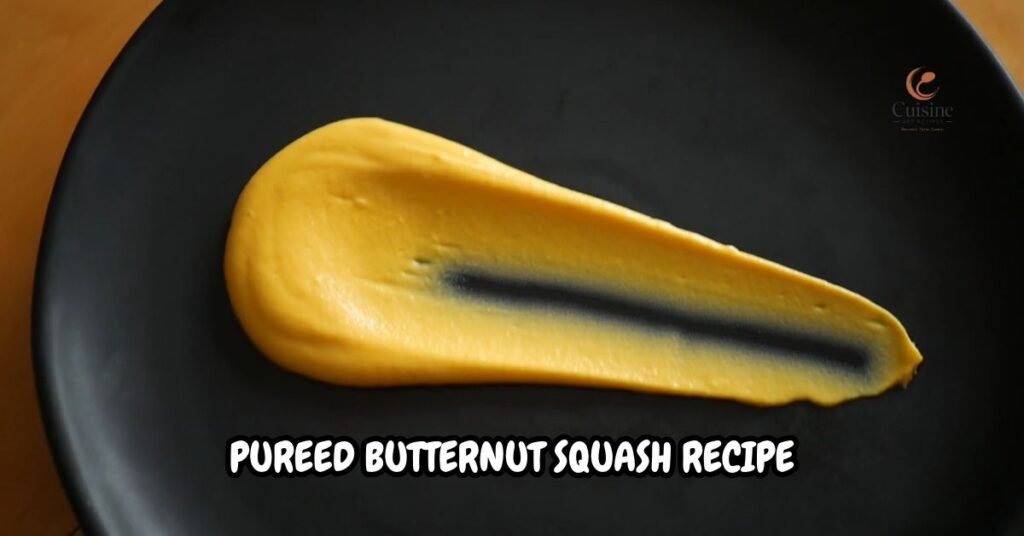
You’re lucky when your neighbor is a home gardener! Last Saturday, my neighbor Carla gave me a squash that was as long as my forearm. I had no plans for it, just a blender and a free weekend. So, I decided to try making a Pureed Butternut Squash Recipe, a homemade take on that restaurant favorite.
It’s an old-fashioned dish that many of us fondly remember from childhood. Serve it at your next Sunday dinner, or enjoy a chilled bowl with your afternoon coffee.
This recipe is dedicated to you, Carla!
Preparing the Squash for a Smooth, Thick Puree
Without proper preparation, the squash puree looked flat in the bowl, sat in a ring of water, or contained long strings that clung to the spoon. None of these results looked right alongside a roast turkey.
Scrape the seed cavity thoroughly, as the strings near the seeds can survive blending. A food mill helps catch any remaining fibers that slip through. Squash with a dry, corky stem usually contains less water. Placing the squash cut-side down also helps brown the flat surface against the hot pan.

Should You Add Sugar to the Squash?
Some purists argue that adding sugar masks the natural flavor of the squash. However, copycat recipe writers often add sugar or honey to replicate the chain restaurant’s version. Wilbur’s fat-free clone uses one tablespoon of sugar, while CDKitchen’s version calls for half a cup each of brown sugar and honey for two squash.
There is some merit to this approach when using very ripe squash. A butternut squash that sat in my pantry for five weeks developed a noticeably sweeter flavor, and adding sugar made the puree taste more like candy. For squash that is already this sweet, skip the added sugar.
Ingredients for Pureed Butternut Squash
2 pounds 6 ounces (1.08 kg) butternut squash: Pick one that feels heavy for its size, with a dry, tan stem and no soft spots. Heavy squash holds more flesh and less air around the seeds. I buy mine at Trader Joe’s in October, when the pile is biggest.
Whole squash keeps for weeks in a cool pantry, so buy it early. Kabocha works in place of butternut. It runs drier, so use 2 tablespoons less cream.
6 tablespoons (90 ml) heavy cream: Cream loosens the squash so it spins freely and adds fat for a smooth weight. I reach for Organic Valley heavy whipping cream. Cold cream straight from the carton is fine, since hot squash warms it fast.
Half-and-half works in place of cream. Use 7 tablespoons and expect a looser puree that needs about 2 minutes at a simmer to thicken.
2 tablespoons (28 g) unsalted butter, softened: Butter makes the surface glossy, since its fat emulsifies into the squash at high speed. Kerrygold unsalted is my pick, at about 82 percent fat. Soften it on the counter for 20 minutes so it blends in evenly.
Salted butter works too. Cut the added salt to a scant ¼ teaspoon, since the butter already carries sodium.
2 teaspoons (8 g) light brown sugar: The molasses in brown sugar echoes the caramelized edges from the oven. It also nods to the chain’s own seasoning. I use C&H light brown and pack the spoon level, so the amount stays steady from batch to batch.
Maple syrup works in place of it at 1 ½ teaspoons. It leaves a lighter, woodsy sweetness and thins the puree slightly.
Scant ½ teaspoon (2.5 g) fine sea salt: Salt sharpens the squash’s natural sweetness so the puree does not fall flat. I keep Morton fine sea salt by the stove and add it with the butter. That timing lets me judge the amount once the puree is smooth.
Diamond Crystal kosher salt needs a scant ¾ teaspoon, since its flakes pack lighter than fine grains.
¼ teaspoon ground ginger: Ginger brings a peppery warmth that cuts through the cream. McCormick is my jar. I replace it every spring, because ground ginger loses its bite after a year or so.
Fresh grated ginger works at ½ teaspoon. It adds a sharper bite and a touch more moisture, so pour the cream a little slower.
⅛ teaspoon ground cinnamon: A pinch rounds out the ginger so neither one leads. Simply Organic is the brand I buy. Open the jar and sniff it first, since a weak smell means a weak spice.
A ½ teaspoon batch once turned my whole bowl into dessert, so I measured this one level. Pumpkin pie spice at ¼ teaspoon can replace both the ginger and the cinnamon.
A pinch of flaky sea salt, for finishing: Flaky salt lands as crisp crystals on the warm puree and gives the first spoonful a light crunch. Maldon is my choice. About 1/16 teaspoon per bowl is plenty.
1 teaspoon unsalted butter, for the bowls: A small pat melts into a shallow well and keeps the surface from forming a skin while dinner gets plated. I use the same Kerrygold. A cold pat melts slowly, so it lasts through the first few bites.
Required Kitchen Equipment
- Rimmed baking sheet: half-sheet size
- Parchment paper: stops sticking
- Chef’s knife: sharp, 8-inch blade
- Blender: even my old Ninja
- Large spoon: scoops and scrapes
How to Make Pureed Butternut Squash
1. Heat the Oven: Heat the oven to 325°F (160°C) and line a rimmed baking sheet with parchment paper. My oven runs hot, so a thermometer hangs from the middle rack. I set the dial 10 degrees low. Give the oven a full 15 minutes to reach temperature. A cold start adds roughly 10 minutes and browns the squash unevenly.
2. Halve and Seed the Squash: Set the squash on a damp towel so it cannot slide. Cut it in half lengthwise with a sharp chef’s knife, through the stem and the bulb. Keep your free hand flat on top. Scoop out the seeds with a spoon. Keep scraping until the cavity feels smooth, because leftover strings end up in the puree.

3. Roast Cut Side Down: Place both halves cut side down on the sheet. Roast for 58 to 64 minutes, until a fork slides into the neck with no push. Rotate the sheet at the 30-minute mark. The skin should wrinkle, and the cut edges should look browned in spots. A dark amber syrup often pools on the parchment. That is the squash’s own sugar, and it is fine.

4. Cool and Scoop: Cool the halves for 12 minutes, until you can touch the skin. Scoop the flesh into a blender jar with a large spoon and leave the skin behind. Squash that clings to the skin needs more time. Slide the sheet back in for 8 minutes, then scoop again. Pale, damp chunks mean it came out early.
5. Add the Cream Slowly: Add 2 tablespoons of cream and blend on low. Pour in more cream, one tablespoon at a time, until the blades pull the squash down on their own. I use 6 tablespoons in all. Pour too much at once and the puree turns thin. Should that happen, simmer it in a small pot for 4 minutes, stirring, until it thickens.
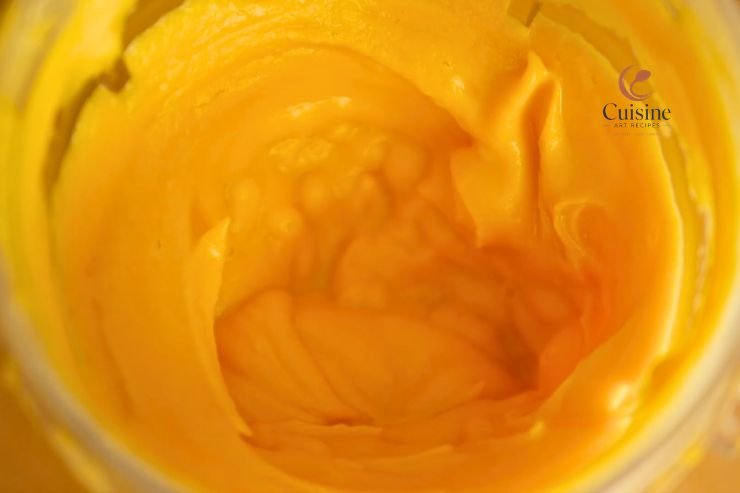
6. Season and Emulsify: Add the butter, brown sugar, ginger, cinnamon, and salt. Blend on high for 60 seconds. The butter emulsifies into the squash, and the surface turns glossy. Stop the blender and lift a spoonful. It should mound on the spoon and slowly relax. A dull surface means it needs another 20 seconds on high.

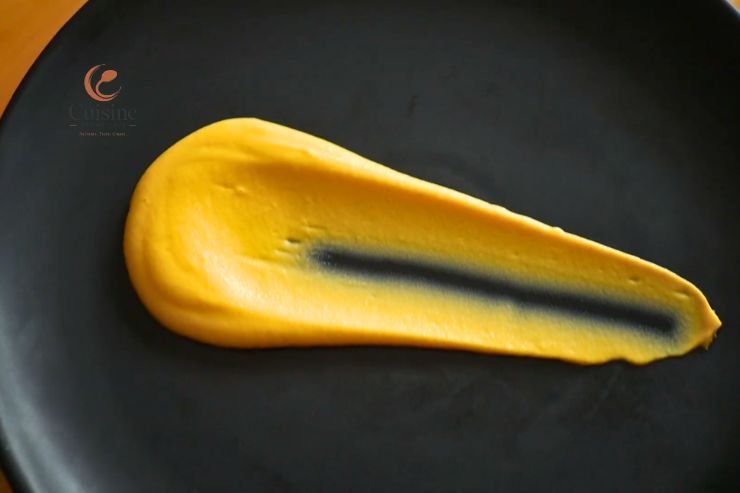
7. Serve Warm: Spoon the puree into warmed bowls. Press a shallow well in the center and drop in a small pat of butter. Finish with a pinch of flaky salt. Warm bowls matter, since cold china firms the butter in the puree within minutes. Serve it right away.
Chef Special Tips for Pureed Butternut Squash
1. Grainy Texture: Press the puree through a fine-mesh strainer with a spatula. Older squash leaves fibers that blenders miss.
2. Oily Sheen: The butter has split. Blend 20 seconds longer with 1 tablespoon of warm cream.
3. Lid Pops Off: Hot puree builds steam. Pull the center cap, cover it with a folded towel, and start on low. I skipped this once and painted my backsplash orange.
4. Bitter Edges: Dark brown spots mean the rack sat too high. Roast on the middle rack and scrape off any blackened bits before scooping.
5. Blades Spin in Air: An air pocket formed. Stop, stir with a spatula, and add 1 tablespoon of cream.
6. Flat Flavor: Salt that never fully dissolved reads weak. Add a pinch, blend 10 seconds, and taste again.
How I Customize This Pureed Butternut Squash
1. Brown Butter and Sage: Brown the 2 tablespoons of butter with 4 sage leaves until it smells nutty, then blend. The browned milk solids add a toasted depth. I serve this one with roast chicken.
2. Roasted Apple: Roast one peeled, quartered Honeycrisp on the same sheet for the last 25 minutes. Its tartness trims the sweetness, so I skip the brown sugar. It suits turkey.
3. Maple and Pecan: Swap the brown sugar for 1 ½ teaspoons of maple syrup. Top with 2 tablespoons of toasted pecans for crunch. I serve it beside a brunch frittata.
4. Coconut Milk: Use 5 tablespoons of full-fat coconut milk in place of the cream, and olive oil in place of the butter. The result is dairy-free with a rounder, lightly tropical edge. It goes with lentil curry.
5. Roasted Garlic: Roast 4 unpeeled cloves in foil on the same sheet, then squeeze them into the blender. They add a mellow savory note and cut the sweetness. It pairs with steak.
6. Chipotle: Swap the cinnamon for ½ teaspoon chipotle powder. The smoke and slow heat suit tacos or black beans.
What I Serve With Pureed Butternut Squash
Rotisserie chicken is the natural partner. I pick up a Costco bird on the way home and crisp the skin under the broiler for 3 minutes. Roast turkey works the same way.
Texture helps a smooth puree. Toasted walnuts or pecans add crunch, and sliced pears or sautéed apples add a tart bite against the sweetness. A spoonful of sage-brown butter on top suits any of them.
Bitter greens balance the plate. Kale sautéed with garlic and lemon cuts the sweetness. Brussels sprouts roasted at 425°F (220°C) do the same job.
How I Store Pureed Butternut Squash
Let the puree cool for 30 minutes, then spoon it into a glass container with a tight lid. It keeps for 4 days in the refrigerator. Glass holds no orange stain, which plastic does.
For longer storage, freeze it in a muffin tin. Pop the frozen pucks into a zip bag once solid, about 3 hours later. They keep for 3 months. Each puck holds about a half cup when filled to the rim.
Reheat in a saucepan over low heat with 1 tablespoon of cream per cup. Stir for 4 minutes. Thawed puree often weeps a little water. Stir it over heat for 2 minutes and it comes back together. In the microwave, heat in 30-second bursts, stirring each time.
Pureed Butternut Squash Recipe FAQs
1. Can I use a food processor instead of a blender?
Yes. Run it for 2 full minutes and scrape the bowl twice. A food processor leaves a slightly coarser puree. Add the last tablespoon of cream while it runs to loosen the texture.
2. Can I use an immersion blender?
Yes. Put the scooped squash and 2 tablespoons of cream in a tall jar. Blend for about 2 minutes, adding cream in small pours. The jar keeps splatter inside, and the puree stays smooth.
3. Should I peel the squash before roasting?
No. Raw butternut is hard to peel, and the roasted skin lifts away with a spoon. The skin stays too tough for a puree anyway. Peel only for the cubed methods.
4. Can I roast the squash a day ahead?
Yes. Roast it, cool it, and refrigerate the halves wrapped in foil for up to 24 hours. Scoop and blend while the flesh is still cool, and add 1 extra minute of blending.
5. Do I need a high-speed blender?
No. A standard blender needs about 90 seconds on high and leaves a slightly less silky finish. Work in two batches so the jar never sits more than half full.
6. Can I use this puree in baked goods?
Yes, but it runs richer than plain puree because of the cream and butter. Use it in muffins in place of canned pumpkin, and cut the other liquid by 2 tablespoons.

Pureed Butternut Squash Recipe
Pureed Butternut Squash Recipe with a glossy, Boston Market-style finish. Roast halves, blend with cream, and serve in about 90 minutes.
Ingredients
- 2 pounds 6 ounces (1.08 kg) butternut squash
- 6 tablespoons (90 ml) heavy cream
- 2 tablespoons (28 g) unsalted butter, softened
- 2 teaspoons (8 g) light brown sugar
- Scant ½ teaspoon fine sea salt
- ¼ teaspoon ground ginger
- ⅛ teaspoon ground cinnamon
- Pinch of flaky sea salt
- 1 teaspoon unsalted butter, for the bowls
Instructions
- Heat the oven to 325°F (160°C) and line a rimmed baking sheet with parchment paper. My oven runs hot, so a thermometer hangs from the middle rack. I set the dial 10 degrees low.
- Set the squash on a damp towel so it cannot slide. Cut it in half lengthwise with a sharp chef's knife, through the stem and the bulb. Scoop out the seeds and scrape the cavity smooth.
- Place both halves cut side down on the sheet. Roast for 58 to 64 minutes, until a fork slides into the neck with no push. Rotate the sheet at the 30-minute mark.
- Cool the halves for 12 minutes, until you can touch the skin. Scoop the flesh into a blender jar with a large spoon and leave the skin behind.
- Add 2 tablespoons of cream and blend on low. Pour in more cream, one tablespoon at a time, until the blades pull the squash down on their own.
- Add the butter, brown sugar, ginger, cinnamon, and salt. Blend on high for 60 seconds, until the surface turns glossy.
- Spoon the puree into warmed bowls. Press a shallow well in the center, drop in a small pat of butter, and finish with a pinch of flaky salt.
Notes
Pour the cream in small amounts, since too much at once turns the puree thin. The puree firms as it cools, so serve it warm.
Nutrition Information:
Yield: 4 Serving Size: 1Amount Per Serving: Calories: 245
A good batch shows itself on the spoon. The puree mounds, holds a glossy surface, and slumps slowly. A dull or runny scoop means an early step got rushed, usually the cream.